If you've been to the grocery store lately, you've probably noticed the egg aisle looking a little different. One month, eggs are $2.09 a dozen. A few months later, they've jumped to $4.71. Then they drop again. It's enough to make your head spin.
We've had customers ask us why our prices don't do that same roller coaster ride. It's a fair question, and the answer says a lot about how we approach farming: and how we understand our calling.
The Grocery Store Egg Equation
When you buy eggs at the grocery store, you're buying into a massive industrial system. Thousands: sometimes hundreds of thousands: of hens packed into facilities designed to maximize production. It's efficient. It's scalable. And it's vulnerable.
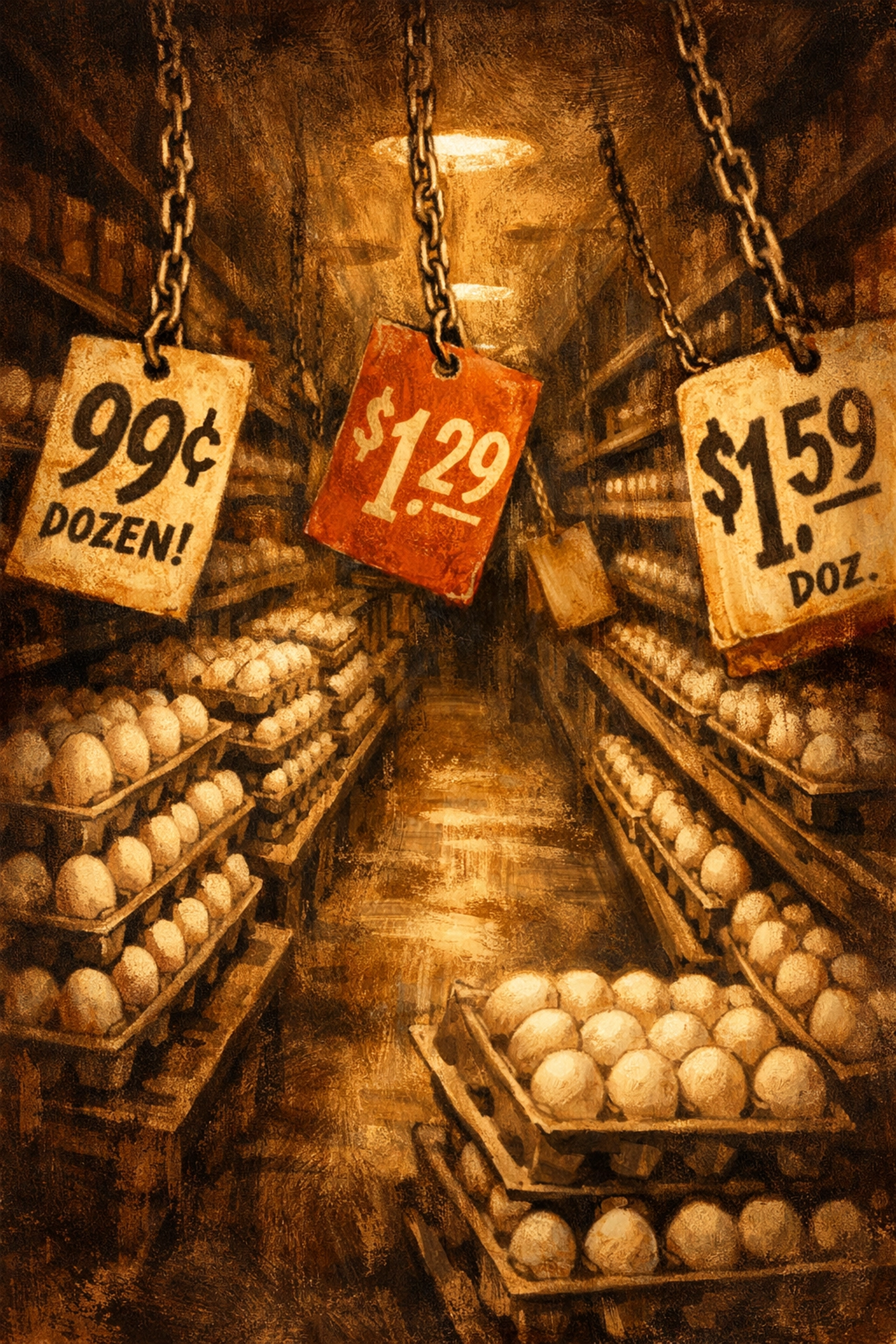
When avian flu sweeps through these large operations, millions of birds are affected at once. Supply drops dramatically. Prices spike. When winter weather disrupts transportation across the country, store shelves empty. When feed costs surge due to inflation or global grain shortages, those costs get passed directly to you.
The industrial egg system is tied to forces far beyond any single farm's control. Commodity markets. Fuel prices. International trade. Corporate supply chains. These factors create volatility: sometimes dramatic volatility.
Between early 2023 and January 2026, the average price of eggs swung from over $4.80 per dozen down to $2.09, back up to $4.71, and settled around $3.59. That's not stability. That's uncertainty.
Why Our Model Is Different
Here's the thing: we're not part of that system.
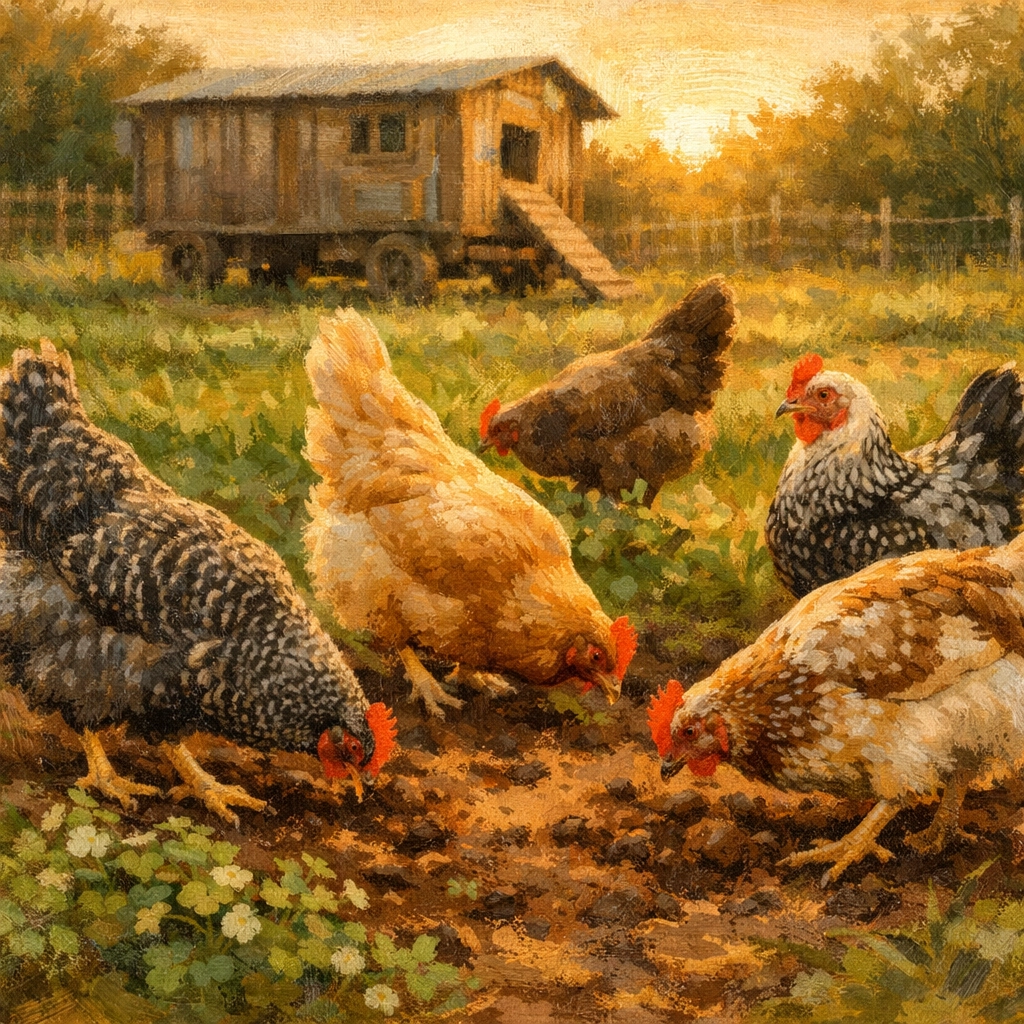
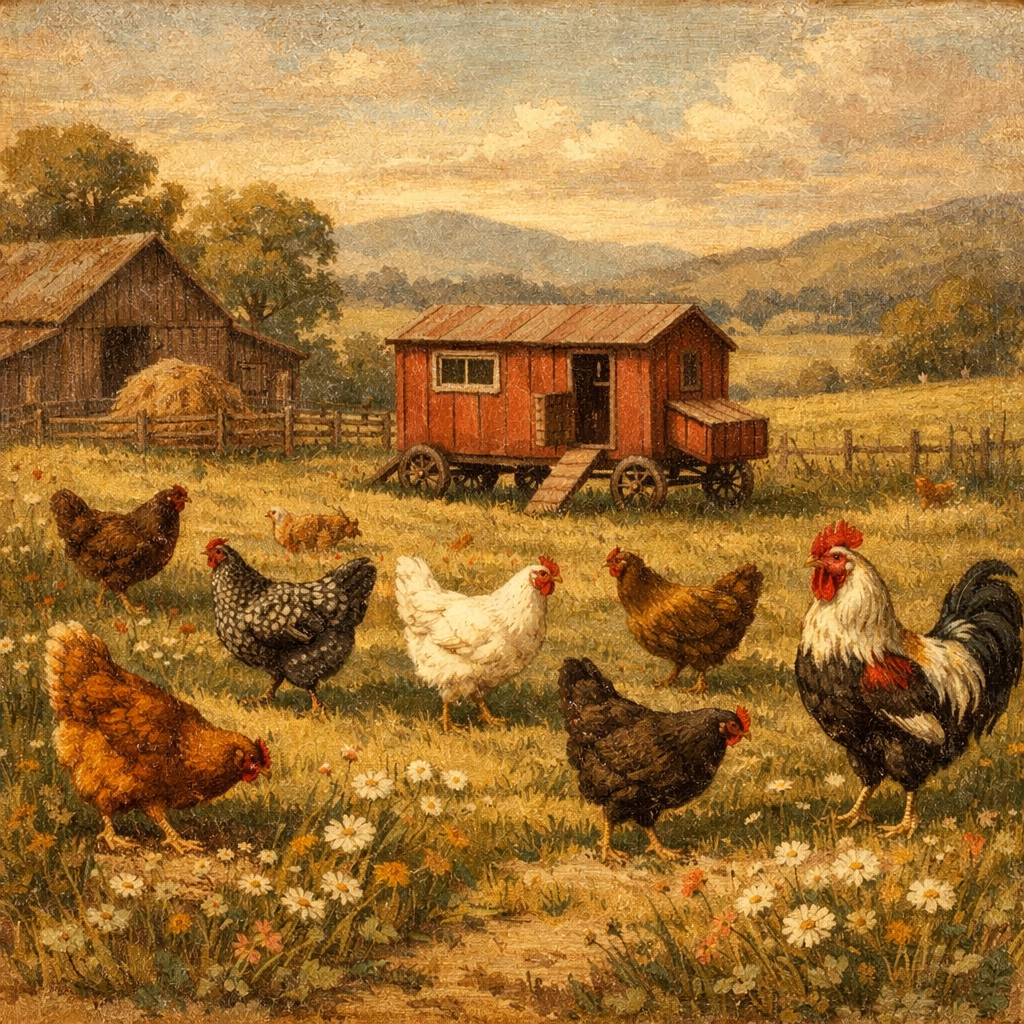
Our flock isn't measured in tens of thousands. We know our hens. We watch them forage in the pasture. We adjust their care based on the season, the weather, and what they need: not what a production schedule demands.
Our costs don't fluctuate wildly because our approach doesn't change. The hens need fresh water every day whether eggs are selling for $2 or $5 at the grocery store. They need quality feed. They need pasture space and shelter. They need consistent care.
That daily rhythm of faithful stewardship is what determines our pricing. Not market speculation. Not corporate profit margins. Not supply chain disruptions hundreds of miles away.
When we set our egg prices, we're calculating what it actually costs to raise hens the right way: with space, fresh air, good nutrition, and respect for the life God gave them. Those costs stay relatively steady year-round.
The True Cost of Faithful Stewardship
Let's be honest: pasture-raised eggs cost more to produce than industrial eggs. That's just reality.
Our hens have acres to roam. They scratch in real dirt. They eat bugs and grass and clover in addition to their feed. This takes more land, more time, and more hands-on attention than a warehouse operation.
We invest in organic bedding. We maintain fencing and mobile coops that protect them from predators while giving them fresh pasture to explore. We monitor their health individually, not as production units.
These aren't expenses we cut when times are tight. They're commitments we made when we started this farm: commitments rooted in how we believe God calls us to care for His creation.
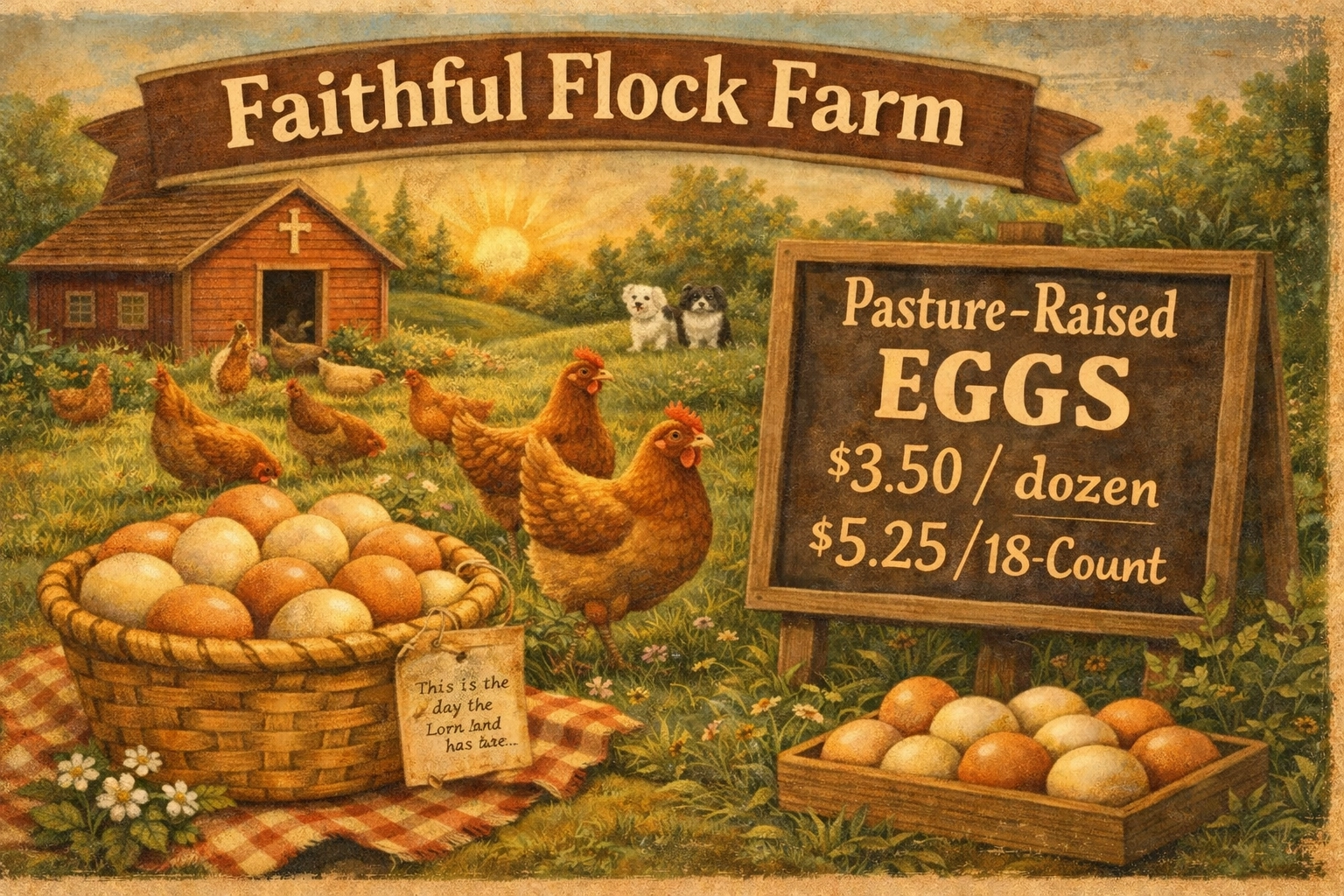
That means our prices don't drop to $1.05 per dozen when the grocery stores run promotions. But it also means they don't spike to nearly $5 when industrial supply chains break down. For reference, our current egg prices are $3.50 per dozen and $5.25 for an 18-count.
We're not trying to undercut anyone or chase the highest possible profit. We're trying to charge what's fair: what honestly reflects the work and resources required to raise hens with dignity and care.
What Steady Pricing Means for Our Community
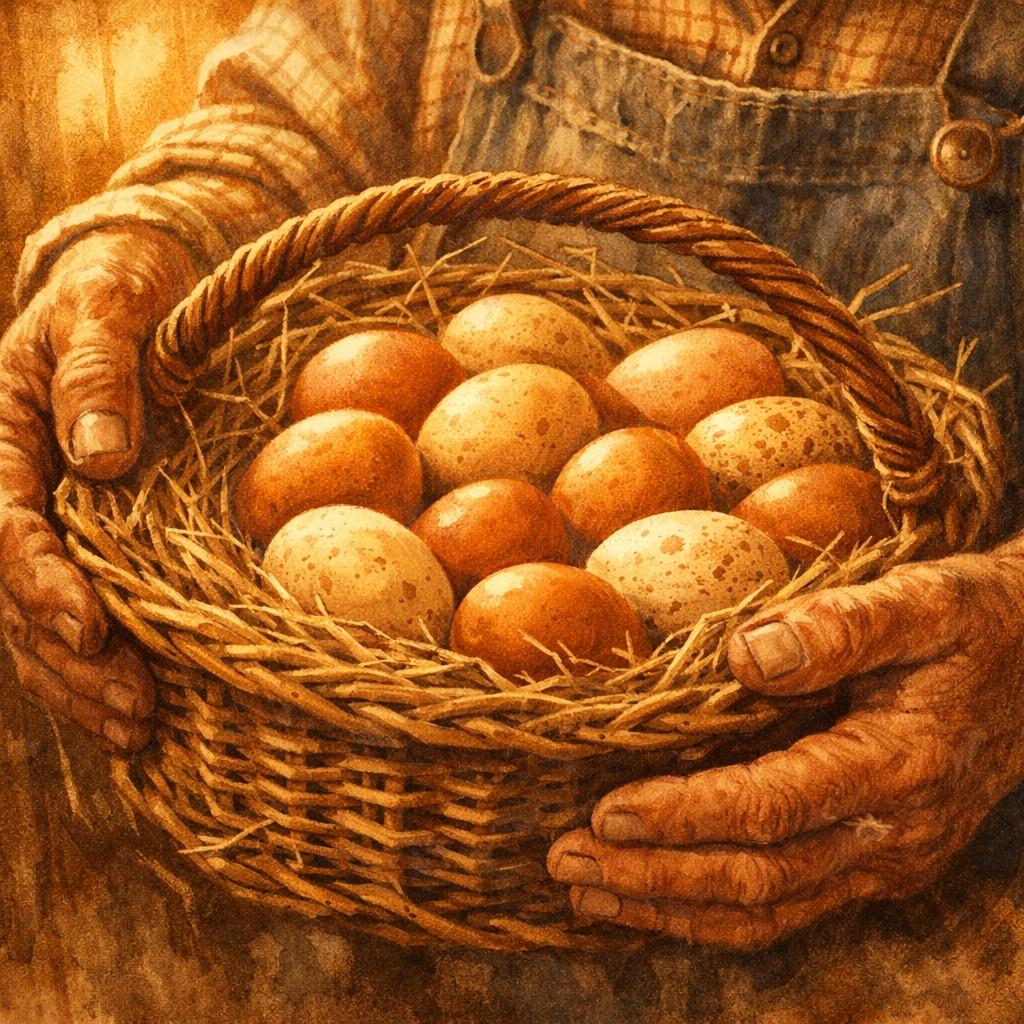
When you buy eggs from us, you know what you're getting. Not just the eggs themselves: though we're proud of those beautiful, rich-yolked eggs our pasture-raised hens produce: but also the assurance of consistency.
You can budget. You can plan. You don't have to wonder if eggs will suddenly be out of reach next month or if you should stock up when prices dip.
That reliability matters in a local community. We're not just selling a product. We're building relationships. When you stop by the farm or pick up a dozen at our local partners, you're supporting a way of farming that prioritizes long-term sustainability over short-term gains.
Our commitment is to be here, doing this work faithfully, whether egg prices are making headlines or not. We answer to a higher calling than market trends.
Quiet Trust in Uncertain Times
There's something countercultural about refusing to raise prices just because "the market will bear it" during a shortage. There's also something countercultural about refusing to slash prices and compromise on hen welfare just to compete with industrial operations during times of surplus.
Both decisions require trust: trust that doing things the right way, even when it's harder, is what we're called to do.
We don't farm to maximize profits or chase trends. We farm because we believe God has called us to be good stewards of the land and animals He's entrusted to us. That calling doesn't change when the economy shifts.
Does that mean we never adjust our prices? Of course not. If the cost of organic feed increases significantly and stays there, we may need to adjust. If land or infrastructure costs rise dramatically, we'll evaluate carefully and communicate openly.
But those adjustments come from real changes in our costs, not from trying to capitalize on market panic or undercut competitors. We try to operate with transparency and integrity: to charge what's fair and sustainable, nothing more and nothing less.
Our Commitment Going Forward
We can't predict what egg prices will do in grocery stores next year. The USDA predicts they'll drop to around $2.16 per dozen as 2026 progresses, but who really knows? Industrial agriculture will continue to face the pressures it always has: disease outbreaks, weather events, global supply chain issues.
What we can tell you is this: we'll be here, caring for our flock with the same steady commitment we've had from the beginning.
Our prices will reflect the true cost of raising hens with space, dignity, and good nutrition. We won't gouge you during shortages. We won't compromise during surpluses.
We'll keep showing up every morning to feed and water and care for these birds. We'll keep managing pasture and maintaining infrastructure. We'll keep doing the quiet, faithful work that produces truly nourishing food.
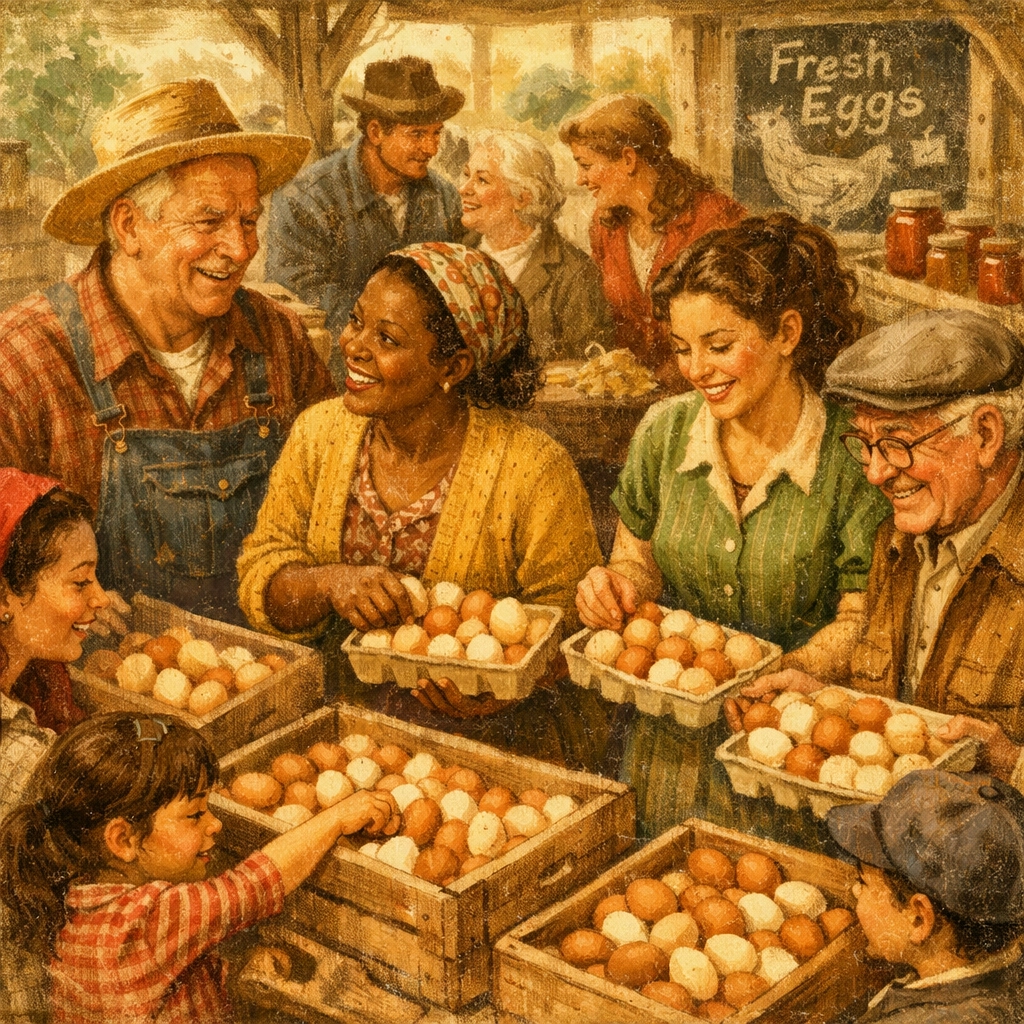
And we'll keep offering that food to our local community at prices that honor both the work we do and the relationships we're building.
If you've been part of our farm family, thank you for your support and trust. If you're new to pasture-raised eggs, we'd love to welcome you. You can find us at our farm or check out our products page to see where we deliver.
When you choose our eggs, you're choosing more than breakfast. You're choosing a different way of farming: one rooted in stewardship, community, and quiet faith that doing things right matters more than doing things fast.
"Commit your work to the Lord, and your plans will be established."
: Proverbs 16:3
Leave a Reply