If you've ever found yourself typing "fresh eggs near me" or "where to buy farm fresh eggs" into your phone, you're not alone. More and more families are seeking out real, honest food from people they can trust.
We get it. There's something deeply satisfying about knowing exactly where your food comes from: and who raised it.
At Faithful Flock Farm, we believe that raising hens with care and intention is part of our calling. It's about stewardship. It's about doing things the right way, even when no one's watching.
But whether you end up buying from us or another local farm, we want you to feel confident in your choice. So here are seven things every family should know before buying fresh eggs.
1. Know Your Source
This is the big one.
Eggs from local farms or farmers' markets are almost always fresher than what you'll find at the grocery store. When you buy from a neighbor down the road, those eggs might be just days old: sometimes hours.
Compare that to supermarket eggs, which can sit in distribution centers and on shelves for weeks before reaching your kitchen.
Beyond freshness, buying local means you can ask questions. How are the hens raised? What do they eat? Are they given antibiotics? A good farmer will be happy to answer.
We love when folks reach out with questions. It means they care: and that's exactly the kind of customer we're grateful to serve.
2. Check the Date on the Carton
If you do buy eggs from a store, flip that carton over.
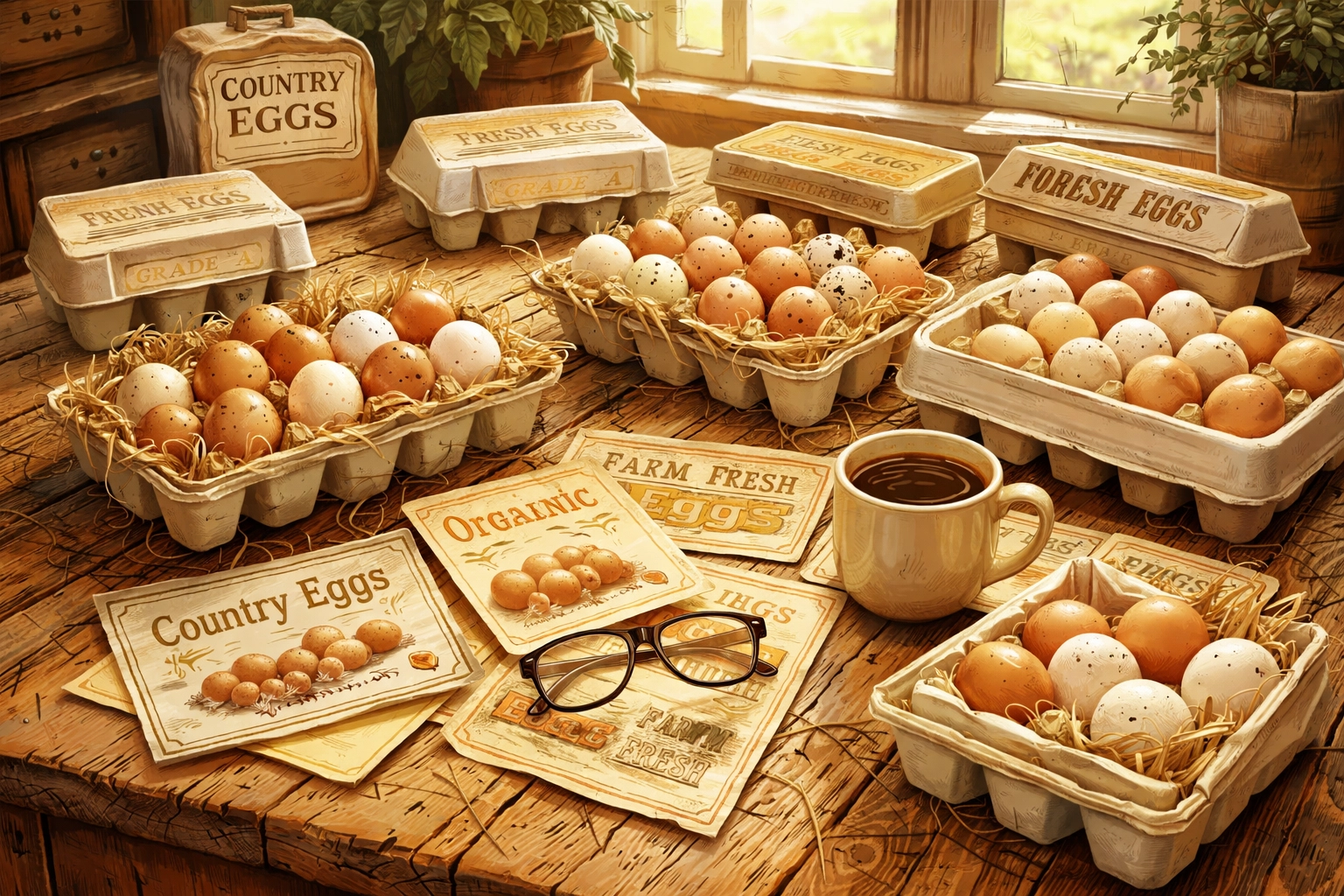
Look for the pack date (sometimes called the Julian date). This three-digit number tells you which day of the year the eggs were packed. For example, "024" means January 24th.
Eggs are freshest within the first two to three weeks of being laid. The closer that date is to today, the better.
At local farms, you can often ask directly when the eggs were collected. We always let our customers know: because transparency matters.
3. Understand What Those Labels Really Mean
Egg cartons are covered in buzzwords these days. Let's break down a few:
- "Farm-fresh" and "all-natural" sound nice, but they don't actually mean anything specific. All eggs are technically natural.
- "Cage-free" means hens aren't kept in cages, but they may still live indoors in crowded conditions.
- "Free-range" means hens have some access to the outdoors: but the quality of that access varies widely.
- "Pasture-raised" typically means hens spend significant time outdoors on grass, foraging as God designed them to.
- "Organic" and "no antibiotics" indicate stricter production standards.
Here's the honest truth: only a few of these labels are regulated by the USDA. That's why knowing your farmer is so valuable.
When you buy from a small, faith-based farm, you're not relying on labels. You're relying on relationship and trust.
4. Give It a Sniff
Fresh eggs should have little to no smell when you crack them open.
If you notice a strong, sulfur-like odor, that's a clear sign the egg has gone bad. Trust your nose: it's one of the best tools you have.
This is rarely an issue with truly fresh, local eggs. But it's always worth knowing, especially if you're trying eggs from a new source for the first time.
5. Try the Float Test
Here's a simple trick our grandparents used: and it still works beautifully.
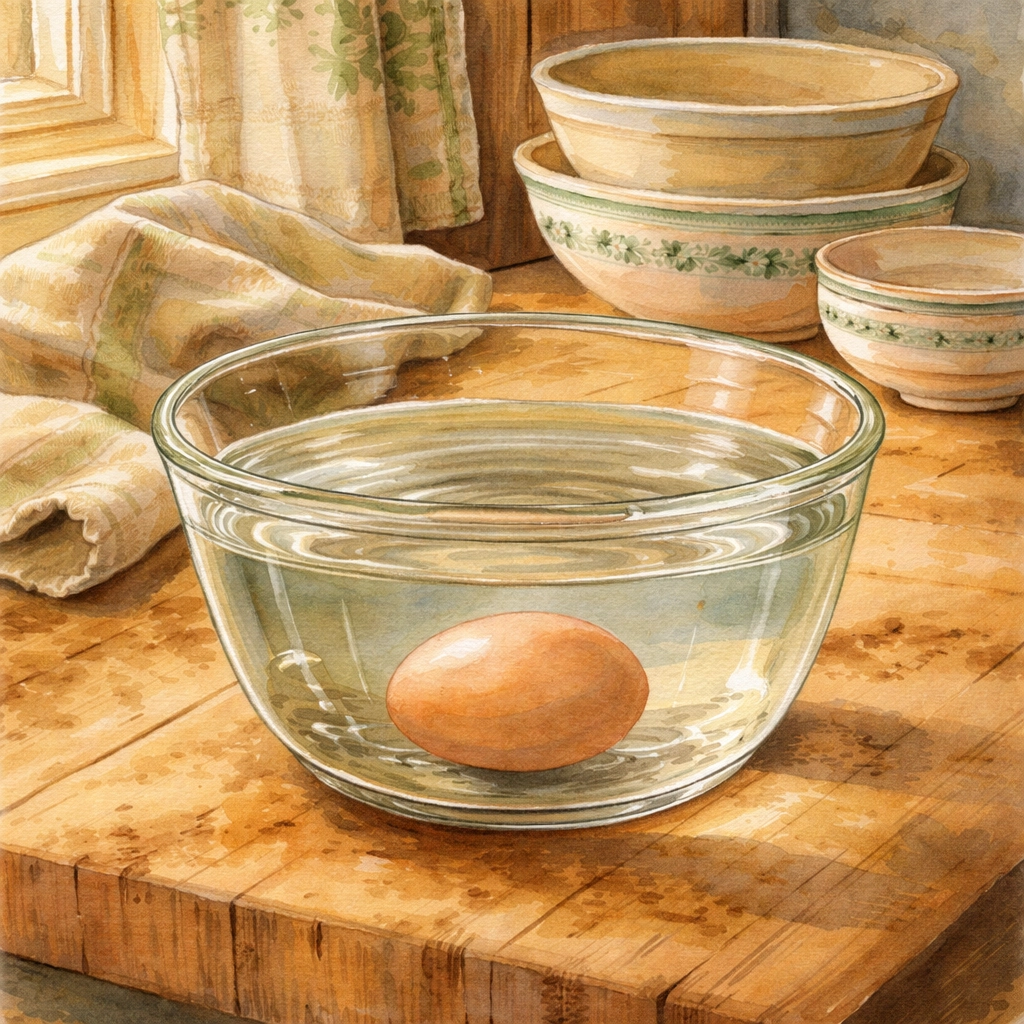
Fill a bowl with water and gently place your egg inside.
- Fresh eggs sink to the bottom and lay flat. That's what you want.
- Older eggs stand upright on the bottom.
- Really old eggs float. If it floats, toss it.
Why does this happen? As eggs age, moisture escapes through the shell and the air cell inside grows larger. More air means more buoyancy.
It's a gentle, easy way to check freshness without cracking the egg open.
6. Look at the Yolk
Once you crack that egg into a pan, take a moment to really look at it.
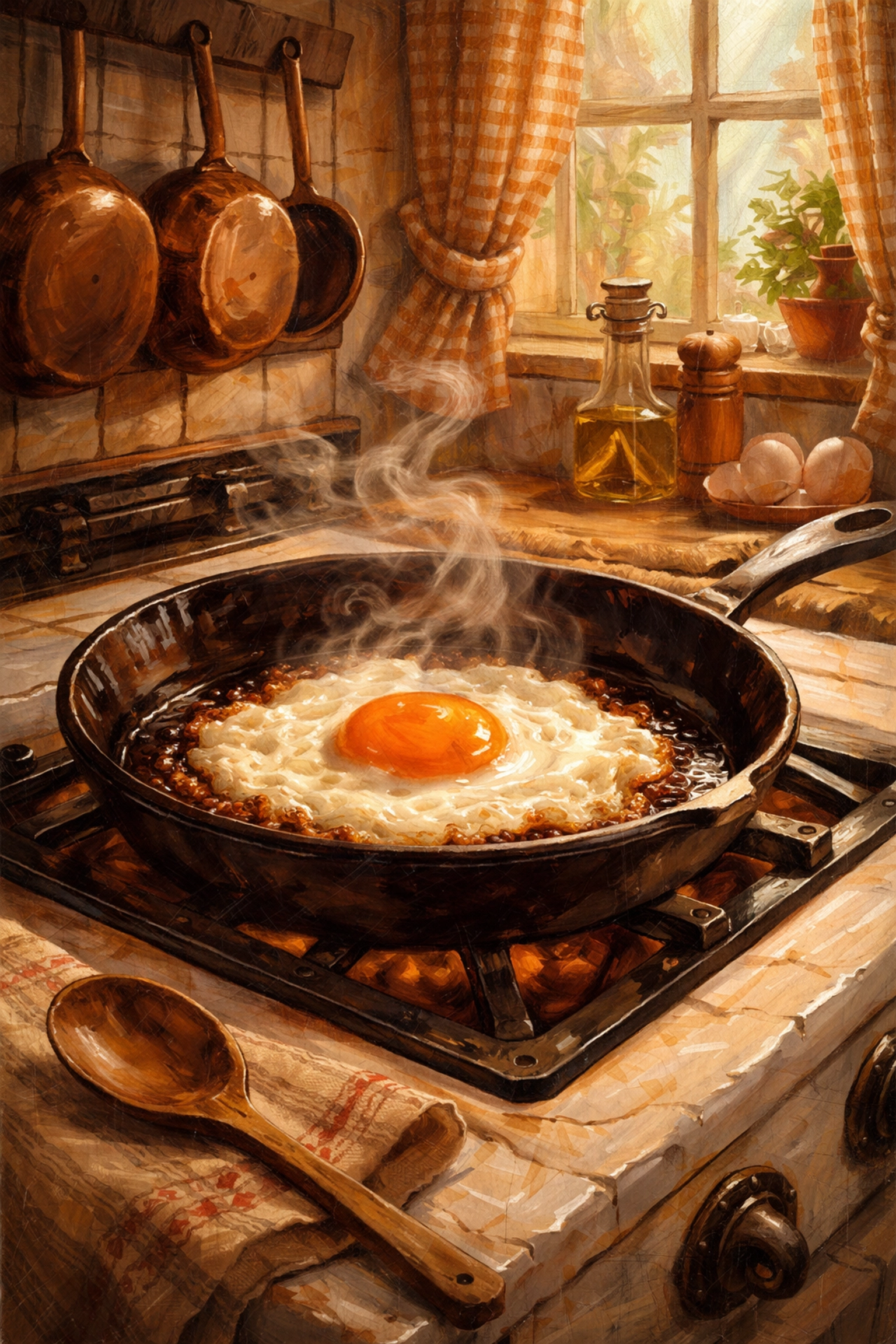
Bright orange yolks are a sign that the hen enjoyed a diverse, nutrient-rich diet: likely including plenty of time foraging on pasture, eating bugs, and soaking up sunshine.
Pale yellow yolks aren't necessarily bad, but they often indicate a more limited diet (usually grain-only).
We take pride in the deep, golden yolks our hens produce. It's a small thing, but it reflects the care we put into raising our flock. Healthy hens, healthy eggs.
Color isn't everything, of course. But once you've tasted a truly pasture-raised egg, you'll notice the difference.
7. Inspect the Shell
Finally, give the shell a good look and feel.
Fresh eggs have strong, slightly rough shells without cracks or major blemishes. That texture comes from the natural protective coating called the "bloom."
As eggs age, they lose moisture and the shells become smoother. Cracks or soft spots can indicate mishandling: or simply an older egg.
At farmers' markets and local farms, you'll sometimes see eggs with a bit of dirt or even a feather stuck to them. Don't worry: that's actually a good sign. It means the bloom is intact and the egg hasn't been over-processed.
Why Fresh, Local Eggs Matter
We believe food is a gift.
When we raise our hens with care, give them space to roam, and treat the land with respect, we're honoring that gift. It's stewardship in action: doing our small part to care for what we've been given.
And when local families choose to support farms like ours, something beautiful happens. Community grows stronger. Trust deepens. Kids learn where their food really comes from.
That's the world we want to be part of building.
Ready to Find Fresh Eggs Near You?
If you're in our area, we'd be honored to have you visit Faithful Flock Farm. You can check out our products or reach out to us with any questions.
We're happy to chat about our hens, our farming practices, or just swap recipes.
And if you're not nearby, we encourage you to seek out a local farm in your own community. Ask questions. Build a relationship. You might be surprised how rewarding it is to know exactly where your food comes from.
We're grateful you took the time to read this. Whether you're a longtime customer or just beginning your search for fresh eggs near you, we're cheering you on.
Here's to good food, good neighbors, and the simple blessings of farm life.
"The earth is the Lord's, and everything in it, the world, and all who live in it."
( Psalm 24:1 🤍)
Leave a Reply